Keep one comparison and one search in this browser. Nothing is saved until you choose Save. Saving again replaces that item. No account, syncing or offline pages; private browsing or clearing site data may remove it.
Nothing saved yet. Select candidates, or set filters in the shrine finder, then save here.
Compare the visit scope, transport notes and prayer traditions of the shrines currently listed here. This is a selected guide, not a complete regional directory.
Kanto visits now include Tokyo’s city shrines, Kamakura’s Tsurugaoka Hachimangu, lakeside Hakone Shrine and Nikko Toshogu. Choose a travel base first: these places are not neighbouring stops. Compare ordinary worship with paid architectural sightseeing, then add intercity transport and stepped approaches to your plan.
Important Cultural Property gate and shrine buildings · Wooded path to the inner sanctuary · Mitarashi pond
Estimated visit
45–75 min
Ordinary worship and the main precinct walk; excludes travel to the shrine, formal prayers, exhibitions, queues and any mountain hike.
Getting there
The official FAQ gives about 7 minutes on foot from Kashima-Jingu Station. Highway buses from Tokyo take roughly two hours, depending on traffic; confirm the current stop and timetable.
Main worship hall and mountain-worship setting · Traditions of praying for good relationships · Optional Shinen sacred garden (separate admission)
Estimated visit
30–60 min
Main-shrine worship and a short look around the Sannai precinct. Excludes the Shinen garden, Shinkyo Bridge, Toshogu, Rinnoji, bus travel, formal prayers and goshuin queues; allow additional time for these.
Getting there
From JR Nikko or Tobu-Nikko Station, take the World Heritage Tour bus to Taiyuin/Futarasanjinja-mae, around 15 minutes, then walk a short distance. Alternatively, take a bus toward Chuzenji Onsen to Nishisando-iriguchi, around 9 minutes, and walk about 10 minutes. The city tourism guide advises checking current bus routes.
Address & enshrined kami
2307 Sannai, Nikko, Tochigi
Onamuchi no Mikoto · Tagorihime no Mikoto · Ajisukitakahikone no Mikoto
Yomeimon’s carvings and decoration · The three monkeys on the sacred stable · The sleeping cat and the stepped Okumiya approach
Estimated visit
90–150 min
Paid shrine circuit including main architectural sights and, if open, the Okumiya approach. Excludes station transport, ticket queues, the museum, Rinnoji, Futarasan Shrine and formal prayers.
Getting there
Nikko City Tourism Association lists a World Heritage Tour bus from JR Nikko or Tobu-Nikko Station to Omotesando, taking about 13 minutes. Allow additional walking from the stop and time for the stepped precinct. Check current bus operations.
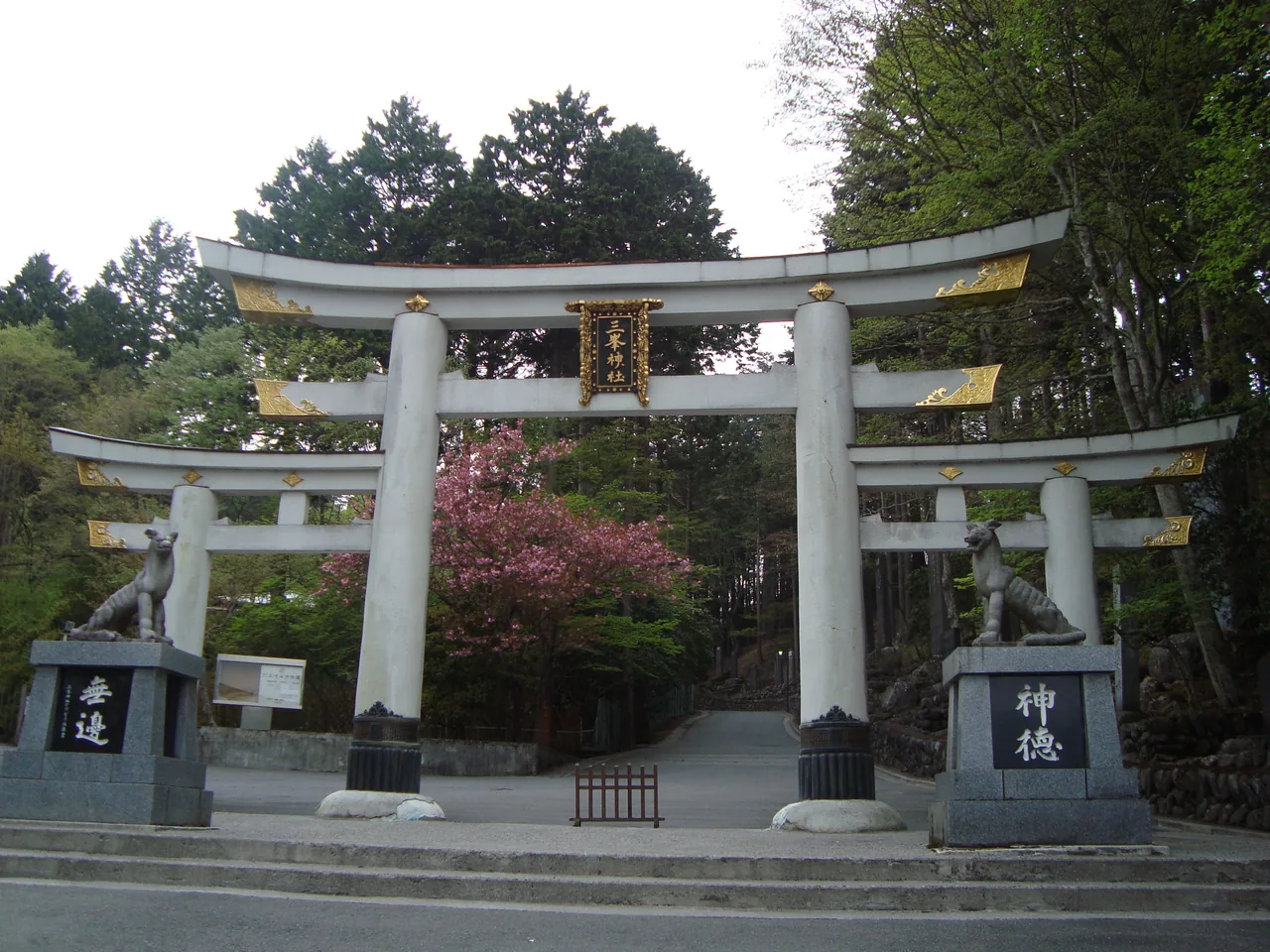
Three-part torii and wolf guardian tradition · Decorated shrine buildings · Mountain setting above Chichibu
Estimated visit
45–75 min
Ordinary worship and the main precinct walk; excludes travel to the shrine, formal prayers, exhibitions, queues and any mountain hike.
Getting there
The official access guide gives roughly 80–90 minutes by bus from Seibu-Chichibu Station. Check the bus operator’s current timetable and your return journey. Drivers use the Chichibu municipal Mitsumine car park.
Main sanctuary and romon gate built in 1700 · Wooded approach · Kanameishi, a sacred stone linked with local legend
Estimated visit
30–60 min
Main precinct, ordinary worship and a short walk to Kanameishi. Excludes the treasure museum, local transport and queues.
Getting there
The official Chiba tourism guide gives about 30 minutes on foot from JR Katori Station, or about 10 minutes by taxi from JR Sawara Station. Check current bus services if using public transport from Sawara.
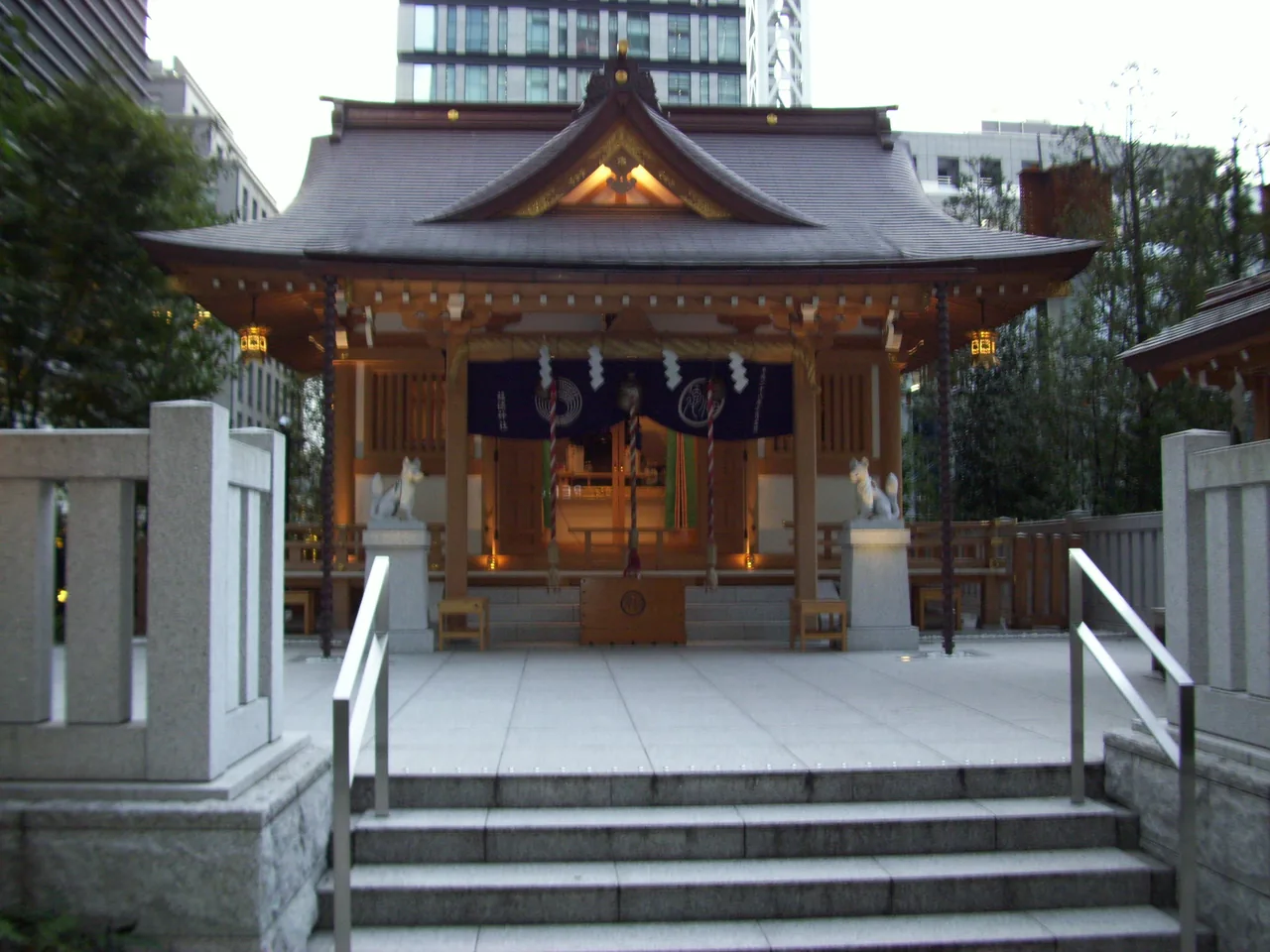
Red torii and shrine amid Nihonbashi’s buildings · Edo lottery and Mebuki Inari traditions
Estimated visit
10–25 min
Ordinary worship and the main precinct walk; excludes travel to the shrine, formal prayers, exhibitions, queues and any mountain hike.
Getting there
About 1 minute from Mitsukoshimae Station exit A6. Shin-Nihombashi Station is another option. The official FAQ describes wheelchair/stroller facilities; check its separate access guide for your station route.
Address & enshrined kami
2-4-14 Nihonbashi-Muromachi, Chuo-ku, Tokyo
Ukanomitama no Mikoto (principal kami) · Ame no Hohi no Mikoto · Onamuchi no Mikoto · Sukunahikona no Mikoto · Kotoshironushi no Mikoto · Mihotsuhime no Mikoto · Ota Dokan · Benzaiten · Tokugawa Ieyasu
Sanno Inari torii approach · Hilltop precinct in Nagatacho · Treasure Hall with a separate visiting schedule
Estimated visit
20–40 min
A precinct visit, excluding the Treasure Hall, formal prayers and queues.
Getting there
The official nearest-station list gives about 3 minutes from Akasaka exit 2 or Tameike-sanno exit 7. A separate route description gives about 5 minutes from Tameike-sanno exit 7, so allow extra walking time. These are station-to-shrine estimates, not the visit duration.
Address & enshrined kami
2-10-5 Nagatacho, Chiyoda-ku, Tokyo
Oyamakui no Kami · Kunitokotachi no Kami · Izanami no Kami · Tarashinakatsuhiko no Mikoto
Vermilion shrine buildings · Three kami with distinct prayer traditions · Kanda Matsuri heritage
Estimated visit
20–40 min
A precinct visit, excluding formal prayers, museums and queues.
Getting there
About 5 minutes on foot from JR Ochanomizu's Hijiribashi exit, or 7 minutes from JR Akihabara's Electric Town exit. These official estimates are the station-to-shrine walk, not the time spent visiting.
Address & enshrined kami
2-16-2 Sotokanda, Chiyoda-ku, Tokyo
Onamuchi no Mikoto (Daikoku / Okuninushi) · Sukunahikona no Mikoto (Ebisu) · Taira no Masakado no Mikoto
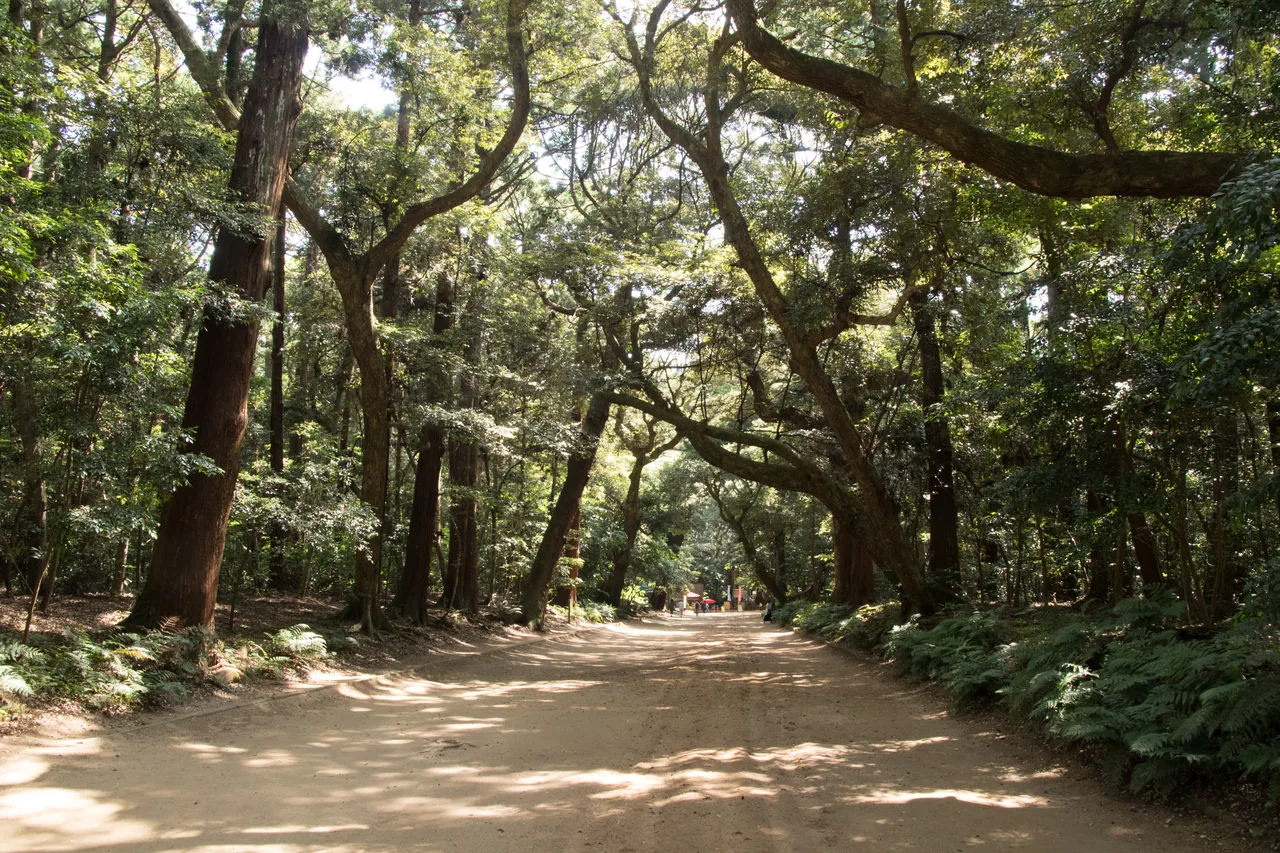
Wooded approach · Shrine buildings · Poetry-based omikuji introduced by the shrine
Estimated visit
45–90 min
Main shrine and wooded approach; not the museum or Inner Garden.
Getting there
The south entrance serves Harajuku and Meiji-jingumae (Harajuku) stations. Allow about 10 more minutes from the entrance to the main shrine buildings; this is not the station-to-shrine walking time.
Ise-linked worship of Amaterasu and Toyouke · A compact stop near Daimon Station · History under the earlier name Shiba Shinmei-gu
Estimated visit
15–30 min
An ordinary visit and a short look around the precinct; excludes formal prayers, festival crowds and travel from the station.
Getting there
The official guide gives 1 minute on foot from Daimon Station exit A6, 5 minutes from Hamamatsucho Station north exit, or 5 minutes from Onarimon Station exit A2.
Prayers for relationships · Connection with Ise · Shinto wedding heritage
Estimated visit
20–40 min
A short shrine visit, excluding queues and formal prayer services.
Getting there
About 5 minutes on foot from Iidabashi Station. The official routes use JR's west exit, Metro exit B2a (Yurakucho/Namboku lines), or exit A4 (Tozai/Oedo lines). This is the station-to-shrine walk, not total visit time.
The Yokozuna monument and sumo history · The statue of surveyor Ino Tadataka near the large torii · The traditions of the Fukagawa Hachiman Festival
Estimated visit
20–40 min
Ordinary worship and a short look around the main precinct and monuments where accessible; excludes station travel, neighbouring Fukagawa Fudo-do, museum visits, formal prayers, festival crowds and queues.
Getting there
The official guide gives about 3 minutes on foot from Monzen-nakacho Station on the Tokyo Metro Tozai Line, 6 minutes from the Toei Oedo Line station, or 15 minutes from JR Etchujima Station. Station approaches are separate from the precinct visit.
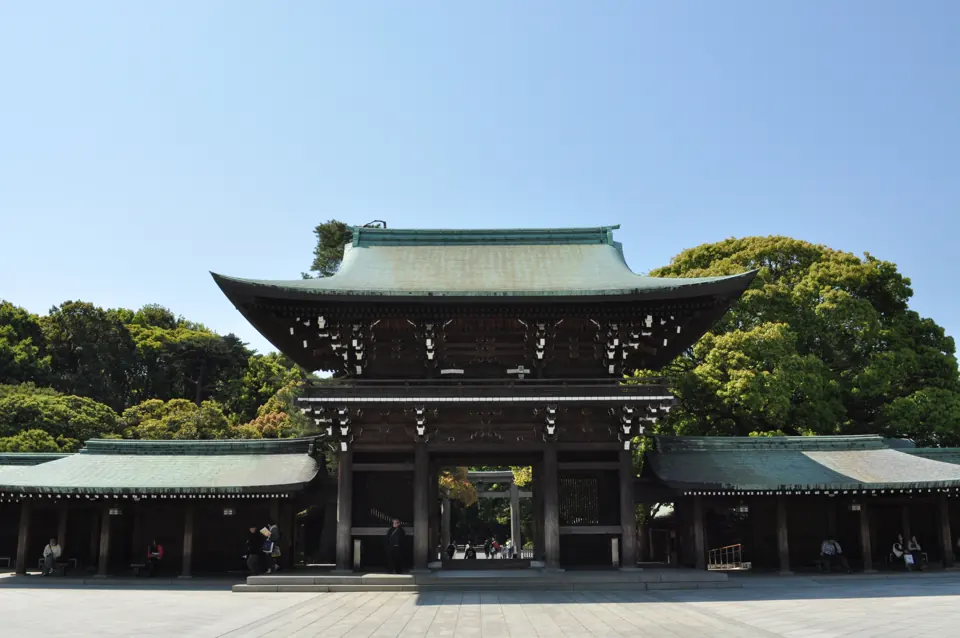
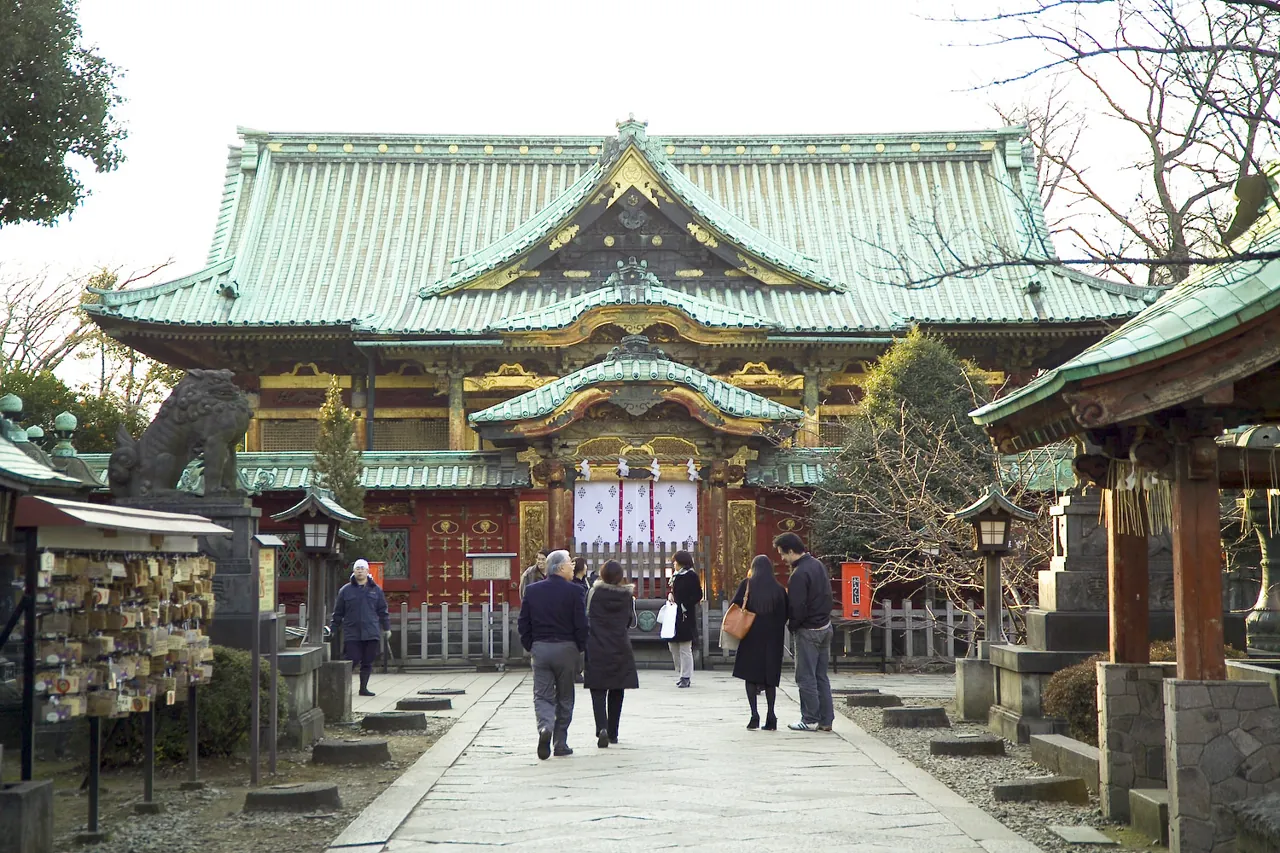
The gilded shrine exterior · Carvings on the Karamon and Sukibei · Stone and bronze lanterns
Estimated visit
25–50 min
Ordinary worship plus an optional paid walk around the shrine exterior; excludes the peony garden, museums, station walk and queues.
Getting there
The shrine gives 10 minutes on foot from JR Ueno Station’s Park Exit or Tokyo Metro Ueno Station, and 12 minutes from Keisei Ueno Station. It has no visitor car park.
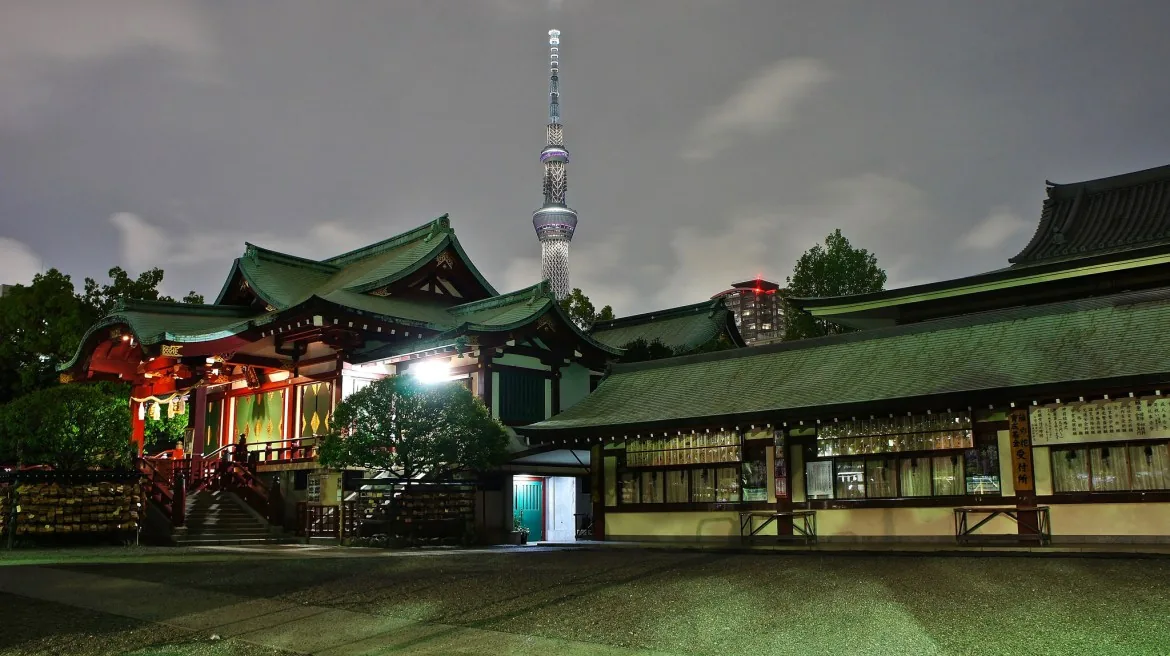
Three-part Miwa torii · Stone nade-ushi ox associated with well-being prayers · Shrine architecture beside Sumida Park
Estimated visit
15–30 min
Ordinary worship and the main precinct walk; excludes travel to the shrine, formal prayers, exhibitions, queues and any mountain hike.
Getting there
Sumida’s tourism association gives about 5 minutes on foot from Honjo-Azumabashi Station or 7 minutes from Tokyo Skytree Station. Allow separate time for the river crossing or tower visit.
Address & enshrined kami
1-4-5 Mukojima, Sumida-ku, Tokyo
Susanoo no Mikoto · Ame no Hohi no Mikoto · Prince Sadatatsu
Tenjin prayer traditions for learning · Plum trees and ema prayer plaques · Cypress shrine building completed in 1995
Estimated visit
20–40 min
A precinct visit, excluding the Treasure Museum, formal prayers and queues.
Getting there
From Yushima Station exit 3, the official guide offers a stair route and a route via Tenjin-shita intersection and the Kasuga-dori slope. The latter avoids stairs but still has an incline; allow extra time. Do not assume both routes take the same time.
Address & enshrined kami
3-30-1 Yushima, Bunkyo-ku, Tokyo
Ame no Tajikarao no Mikoto · Sugawara no Michizane (Tenjin)
The Heiwa no Torii beside Lake Ashi · Cedar-lined approach and shrine buildings · Kuzuryu Shrine’s Shingu beside the main shrine
Estimated visit
40–70 min
Main shrine worship, the wooded approach and a short lakeside-torii stop. Excludes bus travel, photo queues, the Treasure Hall, formal prayers, lake cruises, Kuzuryu Hongu and summit Mototsumiya.
Getting there
Take a bus toward Motohakone from Hakone-Yumoto or Odawara and walk from Motohakone-ko; the shrine lists about 10 minutes from the port. The official guide warns that Hakone-jinja-iriguchi is skipped by some daytime services. Confirm your bus stop and current timetable; traffic can extend the journey.
The main shrine above the stone staircase · The Maiden pavilion and broad approach · The Genpei ponds
Estimated visit
40–70 min
The main approach, ponds and ordinary worship at the main shrine. Excludes station travel, museums, seasonal gardens, formal prayers, queues and a wider Kamakura walk.
Getting there
The shrine’s official guide gives about 10 minutes on foot from the east exit of JR Kamakura Station or from Enoden Kamakura Station. Walking up through the precinct is additional.