Keep one comparison and one search in this browser. Nothing is saved until you choose Save. Saving again replaces that item. No account, syncing or offline pages; private browsing or clearing site data may remove it.
Nothing saved yet. Select candidates, or set filters in the shrine finder, then save here.
Protection from misfortune includes prayers often called yakuyoke. The listed shrines have their own prayer traditions, including Meiji Jingu, Kanda Myojin, Hie, Yasaka and Shimogamo. Read the individual source links for context; this category does not promise freedom from illness or accidents.
The vermilion worship hall · Paulownia-flower carvings · Paired wooden dove figures
Estimated visit
25–45 min
Ordinary worship and a short main-precinct visit; excludes bus travel, festival viewing, formal prayers and queues.
Getting there
Tohoku tourism gives about 15 minutes by bus from JR Morioka Station. Check the current bus route and stop before travel; the quoted time is not a door-to-door guarantee.
Separate Bettsugu and left/right sanctuary arrangements · Historic shrine buildings · Wooded Ichimoriyama grounds
Estimated visit
40–60 min
Ordinary worship and a short Shiogama precinct walk; excludes the station approach, museum, Shiwahiko visit, formal prayers and queues.
Getting there
The local tourism association gives about 15 minutes on foot from JR Hon-Shiogama Station. The shrine stands on a hill; route and ascent affect walking time. Check the official access guide before choosing an approach.
Address & enshrined kami
1-1 Ichimoriyama, Shiogama, Miyagi
Shiotsuchi Oji no Kami · Takemikazuchi no Kami · Futsunushi no Kami
Shrine buildings within the former castle grounds · The moat and bridges · Kenshin-related history
Estimated visit
30–50 min
Ordinary worship and a short moat-side walk; excludes the Keishoden treasury, other museums, transport and queues.
Getting there
From JR Yonezawa Station, use a bus to Uesugi Jinja-mae (Uesugi Joshi-en), or allow around 10 minutes by car according to the shrine. Check the return bus timetable.
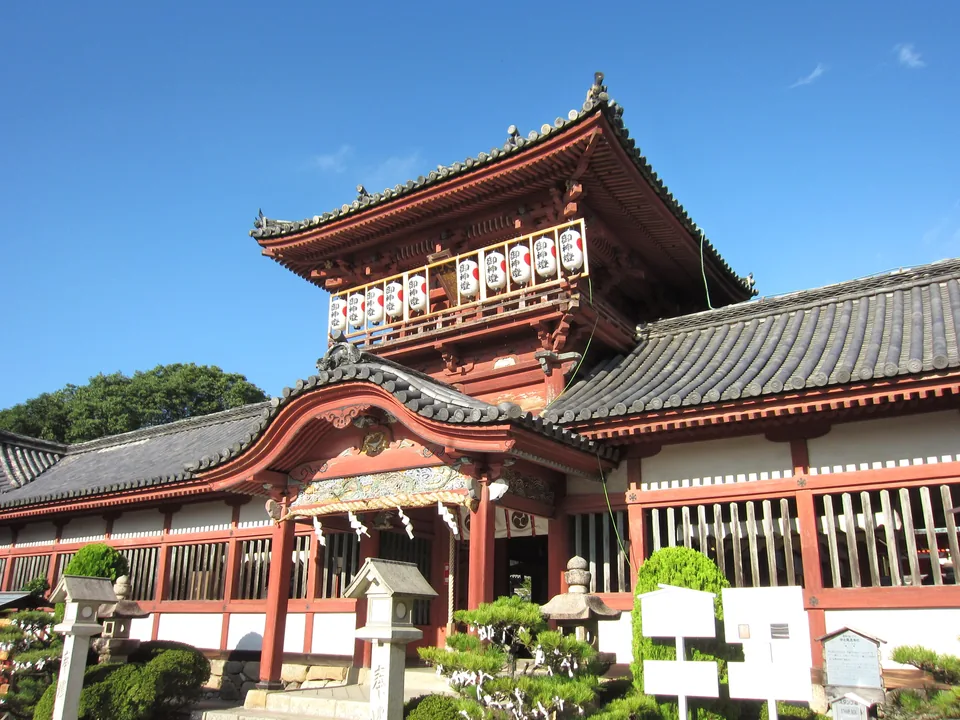
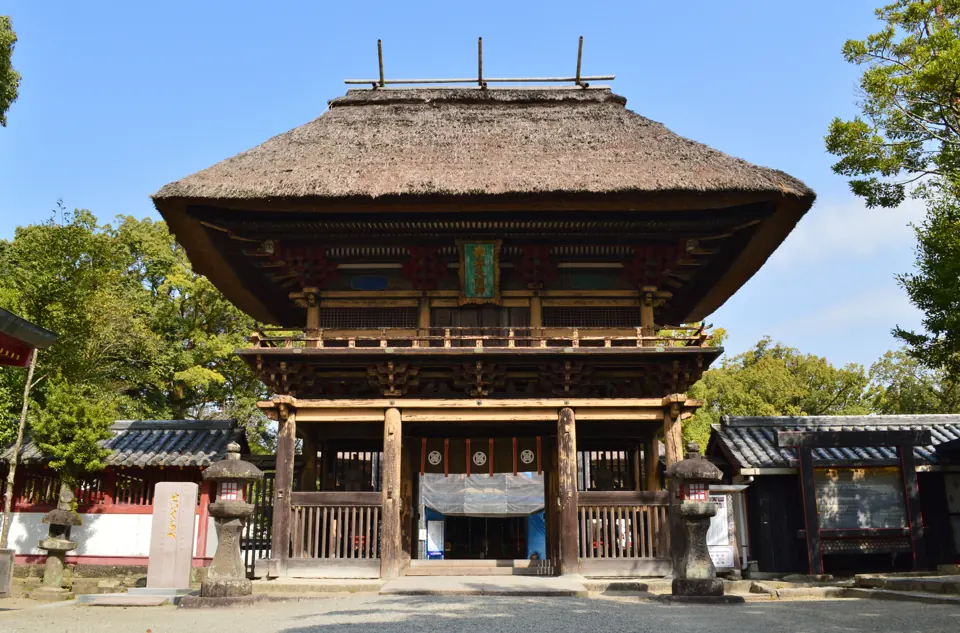
The romon gate · The shrine precinct · Seasonal iris displays
Estimated visit
30–50 min
Ordinary worship and a short precinct walk; excludes the treasury, seasonal iris events, formal prayers, transport and queues.
Getting there
The official site provides an access map for the Miyabayashi precinct in Aizumisato. Check local trains or buses from Aizuwakamatsu and the final walking approach before setting out.
Yomeimon’s carvings and decoration · The three monkeys on the sacred stable · The sleeping cat and the stepped Okumiya approach
Estimated visit
90–150 min
Paid shrine circuit including main architectural sights and, if open, the Okumiya approach. Excludes station transport, ticket queues, the museum, Rinnoji, Futarasan Shrine and formal prayers.
Getting there
Nikko City Tourism Association lists a World Heritage Tour bus from JR Nikko or Tobu-Nikko Station to Omotesando, taking about 13 minutes. Allow additional walking from the stop and time for the stepped precinct. Check current bus operations.
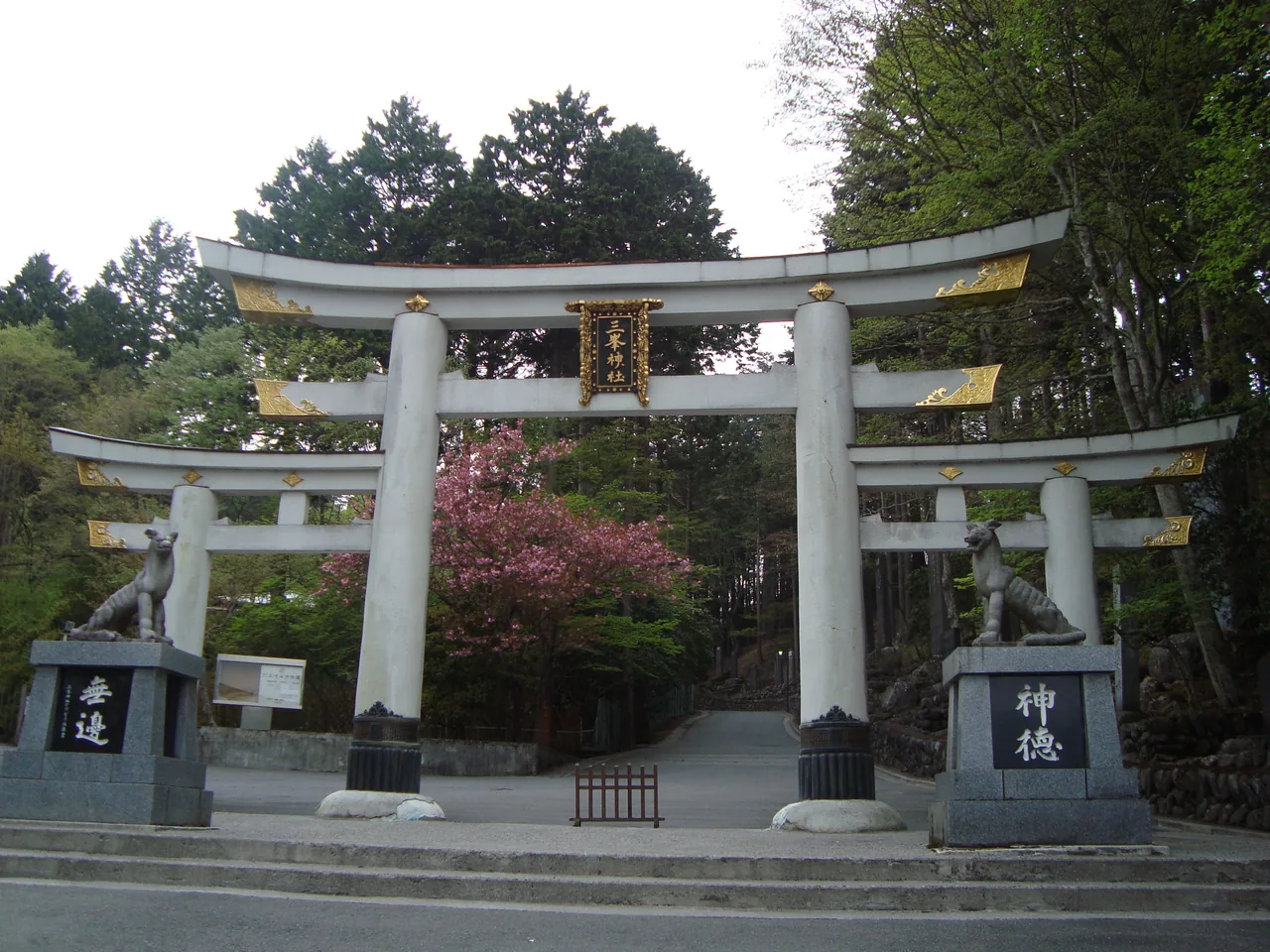
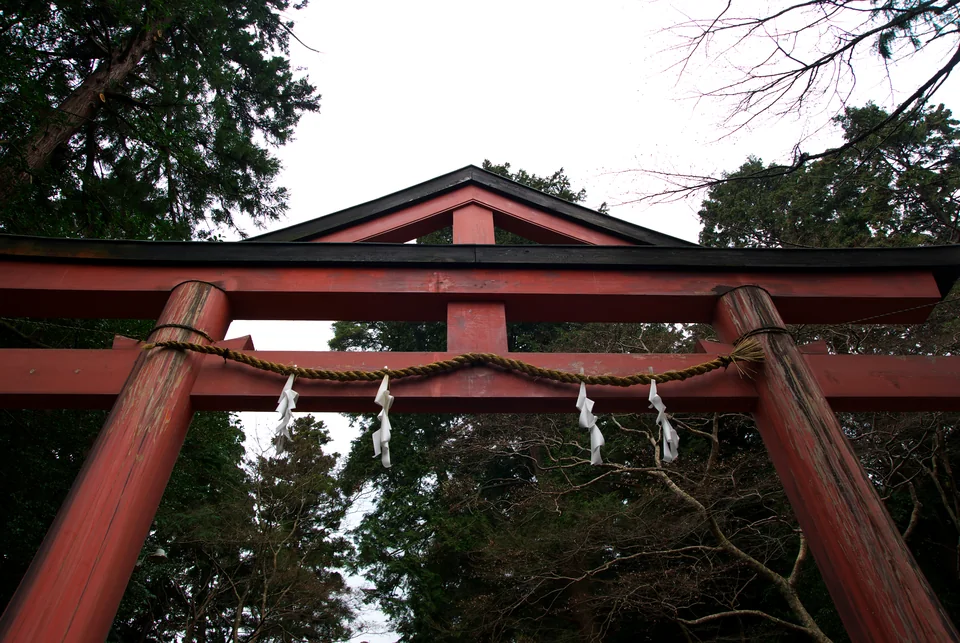
Three-part torii and wolf guardian tradition · Decorated shrine buildings · Mountain setting above Chichibu
Estimated visit
45–75 min
Ordinary worship and the main precinct walk; excludes travel to the shrine, formal prayers, exhibitions, queues and any mountain hike.
Getting there
The official access guide gives roughly 80–90 minutes by bus from Seibu-Chichibu Station. Check the bus operator’s current timetable and your return journey. Drivers use the Chichibu municipal Mitsumine car park.
Main sanctuary and romon gate built in 1700 · Wooded approach · Kanameishi, a sacred stone linked with local legend
Estimated visit
30–60 min
Main precinct, ordinary worship and a short walk to Kanameishi. Excludes the treasure museum, local transport and queues.
Getting there
The official Chiba tourism guide gives about 30 minutes on foot from JR Katori Station, or about 10 minutes by taxi from JR Sawara Station. Check current bus services if using public transport from Sawara.
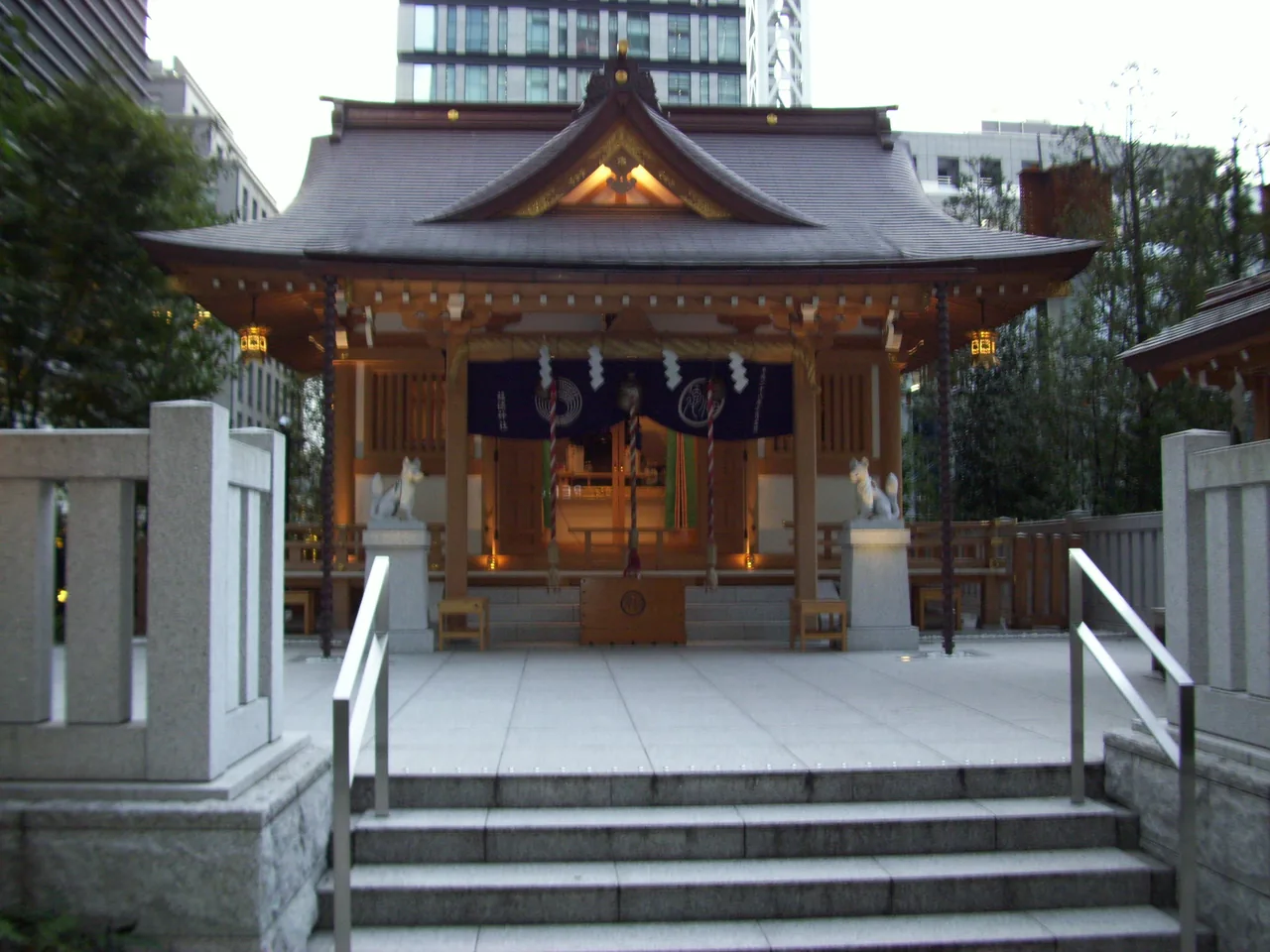
Red torii and shrine amid Nihonbashi’s buildings · Edo lottery and Mebuki Inari traditions
Estimated visit
10–25 min
Ordinary worship and the main precinct walk; excludes travel to the shrine, formal prayers, exhibitions, queues and any mountain hike.
Getting there
About 1 minute from Mitsukoshimae Station exit A6. Shin-Nihombashi Station is another option. The official FAQ describes wheelchair/stroller facilities; check its separate access guide for your station route.
Address & enshrined kami
2-4-14 Nihonbashi-Muromachi, Chuo-ku, Tokyo
Ukanomitama no Mikoto (principal kami) · Ame no Hohi no Mikoto · Onamuchi no Mikoto · Sukunahikona no Mikoto · Kotoshironushi no Mikoto · Mihotsuhime no Mikoto · Ota Dokan · Benzaiten · Tokugawa Ieyasu
Sanno Inari torii approach · Hilltop precinct in Nagatacho · Treasure Hall with a separate visiting schedule
Estimated visit
20–40 min
A precinct visit, excluding the Treasure Hall, formal prayers and queues.
Getting there
The official nearest-station list gives about 3 minutes from Akasaka exit 2 or Tameike-sanno exit 7. A separate route description gives about 5 minutes from Tameike-sanno exit 7, so allow extra walking time. These are station-to-shrine estimates, not the visit duration.
Address & enshrined kami
2-10-5 Nagatacho, Chiyoda-ku, Tokyo
Oyamakui no Kami · Kunitokotachi no Kami · Izanami no Kami · Tarashinakatsuhiko no Mikoto
Vermilion shrine buildings · Three kami with distinct prayer traditions · Kanda Matsuri heritage
Estimated visit
20–40 min
A precinct visit, excluding formal prayers, museums and queues.
Getting there
About 5 minutes on foot from JR Ochanomizu's Hijiribashi exit, or 7 minutes from JR Akihabara's Electric Town exit. These official estimates are the station-to-shrine walk, not the time spent visiting.
Address & enshrined kami
2-16-2 Sotokanda, Chiyoda-ku, Tokyo
Onamuchi no Mikoto (Daikoku / Okuninushi) · Sukunahikona no Mikoto (Ebisu) · Taira no Masakado no Mikoto
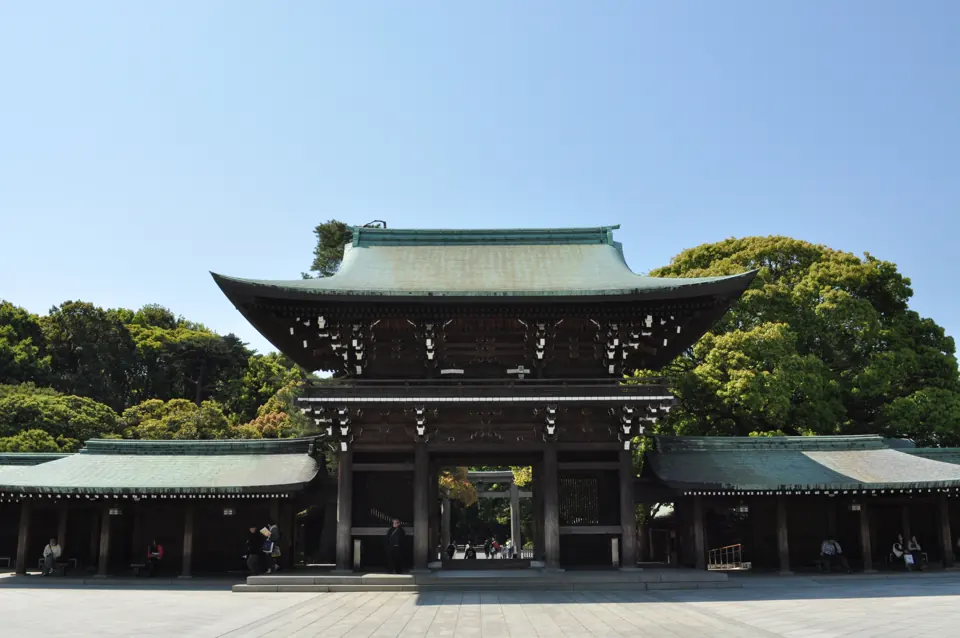
Wooded approach · Shrine buildings · Poetry-based omikuji introduced by the shrine
Estimated visit
45–90 min
Main shrine and wooded approach; not the museum or Inner Garden.
Getting there
The south entrance serves Harajuku and Meiji-jingumae (Harajuku) stations. Allow about 10 more minutes from the entrance to the main shrine buildings; this is not the station-to-shrine walking time.
Ise-linked worship of Amaterasu and Toyouke · A compact stop near Daimon Station · History under the earlier name Shiba Shinmei-gu
Estimated visit
15–30 min
An ordinary visit and a short look around the precinct; excludes formal prayers, festival crowds and travel from the station.
Getting there
The official guide gives 1 minute on foot from Daimon Station exit A6, 5 minutes from Hamamatsucho Station north exit, or 5 minutes from Onarimon Station exit A2.
The Yokozuna monument and sumo history · The statue of surveyor Ino Tadataka near the large torii · The traditions of the Fukagawa Hachiman Festival
Estimated visit
20–40 min
Ordinary worship and a short look around the main precinct and monuments where accessible; excludes station travel, neighbouring Fukagawa Fudo-do, museum visits, formal prayers, festival crowds and queues.
Getting there
The official guide gives about 3 minutes on foot from Monzen-nakacho Station on the Tokyo Metro Tozai Line, 6 minutes from the Toei Oedo Line station, or 15 minutes from JR Etchujima Station. Station approaches are separate from the precinct visit.
The Heiwa no Torii beside Lake Ashi · Cedar-lined approach and shrine buildings · Kuzuryu Shrine’s Shingu beside the main shrine
Estimated visit
40–70 min
Main shrine worship, the wooded approach and a short lakeside-torii stop. Excludes bus travel, photo queues, the Treasure Hall, formal prayers, lake cruises, Kuzuryu Hongu and summit Mototsumiya.
Getting there
Take a bus toward Motohakone from Hakone-Yumoto or Odawara and walk from Motohakone-ko; the shrine lists about 10 minutes from the port. The official guide warns that Hakone-jinja-iriguchi is skipped by some daytime services. Confirm your bus stop and current timetable; traffic can extend the journey.
The main shrine above the stone staircase · The Maiden pavilion and broad approach · The Genpei ponds
Estimated visit
40–70 min
The main approach, ponds and ordinary worship at the main shrine. Excludes station travel, museums, seasonal gardens, formal prayers, queues and a wider Kamakura walk.
Getting there
The shrine’s official guide gives about 10 minutes on foot from the east exit of JR Kamakura Station or from Enoden Kamakura Station. Walking up through the precinct is additional.
Historic worship hall and shrine gate · Subsidiary shrines in the precinct · The edge of the protected sacred forest, viewed from permitted areas
Estimated visit
30–50 min
Ordinary worship and the publicly accessible shrine precinct; excludes Hakui transport, forest entry, formal prayers, festivals and queues.
Getting there
Ishikawa tourism lists a Hokutetsu bus from Hakui Station to Ichinomiya, followed by about 5 minutes on foot. Check current services and your return bus. Long-distance rail examples on the shrine site include older routes; use current railway timetables.
Address & enshrined kami
Ku 1-1 Jike-machi, Hakui, Ishikawa
Onamuchi no Mikoto (Okuninushi; main shrine) · Kukurihime no Kami (Hakusan subsidiary shrine)
Red torii and shrine precinct · Mount Fuji views when weather permits · Upper park's Chureito pagoda and viewing deck — extra climb
Estimated visit
15–30 min
Ordinary worship and the main precinct walk; excludes transport, formal prayers, exhibitions, queues and mountain hikes.
Getting there
Fujiyoshida's official tourism guide gives about 5 minutes on foot from Shimoyoshida Station to the shrine. The upper park viewpoint requires a further climb, including the 398-step Sakuya-hime staircase or a sloped route.
Address & enshrined kami
2-4-1 Asama, Fujiyoshida, Yamanashi
Konohanasakuya-hime no Mikoto · Oyamatsumi no Mikoto · Ninigi no Mikoto
Old cedars around Chusha · The middle shrine precinct
Estimated visit
30–50 min
Chusha worship and a short look around its cedar trees; excludes the other four shrines, Okusha approach, exhibitions, transport and queues.
Getting there
Start from Nagano Station and check the current bus service for Togakushi Chusha. The official access guide distinguishes Chusha from the approximately 2 km walking approach to Okusha. Winter transport and parking differ.
Carved wooden shrine halls · The sacred osmanthus tree · Precinct sites associated with Minamoto no Yoritomo
Estimated visit
30–50 min
Ordinary worship and a short walk around the main precinct; excludes station approaches, treasure museum, meals, formal prayers and queues.
Getting there
The shrine lists about 15 minutes on foot from JR Mishima Station, or 7 minutes from Mishima-Tamachi Station on the Izuhakone Railway. Allow additional time for the precinct walk.
Address & enshrined kami
2-1-5 Omiya-cho, Mishima, Shizuoka
Oyamatsumi no Mikoto · Tsumihayae Kotoshironushi no Kami
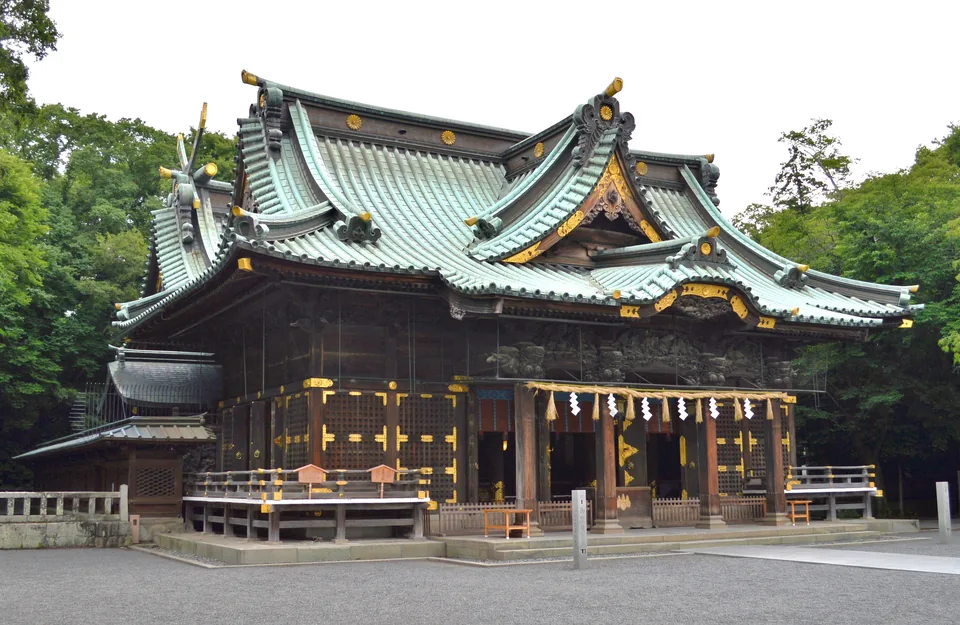
Wooded approach to the main shrine · Shinmei-style shrine architecture · Nobunaga’s wall
Estimated visit
40–60 min
Main shrine worship and a short precinct walk; excludes station approaches, museums, formal prayers and queues.
Getting there
Nagoya tourism lists about 3 minutes from Meitetsu Jingu-mae Station to the east gate, or 7 minutes from Atsuta Jingu Nishi subway station (exit 2) to the west gate. These are gate approaches; allow additional time inside.
Address & enshrined kami
1-1-1 Jingu, Atsuta-ku, Nagoya, Aichi
Atsuta Okami · Amaterasu Omikami (associated deity) · Susanoo no Mikoto (associated deity) · Yamato Takeru no Mikoto (associated deity) · Miyasuhime no Mikoto (associated deity) · Takeinadane no Mikoto (associated deity)
The forest approach to the main sanctuary · Toyouke’s food-offering tradition · Magatama Pond; the Sengukan museum is a separate visit
Estimated visit
30–60 min
The main precinct following the official 30- or 60-minute model courses. Excludes station travel, Naiku, the Sengukan museum, formal prayers and queues.
Getting there
Ise City Tourism Association lists about 5 minutes on foot from Iseshi Station or 7–12 minutes from Ujiyamada Station. Naiku requires a separate journey; check the current bus route rather than treating both shrines as one walkable precinct.
Uji Bridge and its wooden torii · The Isuzu River and wooded approach · Worship at the main sanctuary
Estimated visit
60–90 min
Uji Bridge, the main sanctuary and selected precinct sights, following the official 60- or 90-minute model courses. Excludes buses, Geku, meals, shopping, formal prayers and queues.
Getting there
Ise City Tourism Association lists buses to Naiku-mae taking about 20 minutes from Iseshi or Ujiyamada Station, or about 6 minutes from Isuzugawa Station. The walk from Uji Bridge into the shrine is additional. Check current buses and allow for road congestion.
National Treasure east and west sanctuaries · Distinctive Sanno torii · Woodland and streams at Mount Hiei’s foot
Estimated visit
40–60 min
A lower-precinct circuit around the east and west sanctuaries, allowing some margin over the official usual 40-minute visit; excludes the uphill inner shrines, station transfers and counter queues.
Getting there
The official access guide gives about 10 minutes on foot from Keihan Sakamoto-hieizanguchi Station or 20 minutes from JR Hieizan-Sakamoto Station.
Address & enshrined kami
5-1-1 Sakamoto, Otsu, Shiga
Onamuchi no Kami (west sanctuary) · Oyamakui no Kami (east sanctuary)
Main worship area at Otaga-san · Views of Taiko Bridge · Longevity and relationship prayer traditions
Estimated visit
20–40 min
Ordinary worship and exterior views of the buildings and Taiko Bridge; excludes the Okushoin garden, exhibitions, shrine-town walks, transport and formal prayers.
Getting there
The official guide gives about 10 minutes on foot from Taga Taisha-mae Station on the Ohmi Railway. Check connections and waiting times separately when travelling from Hikone.
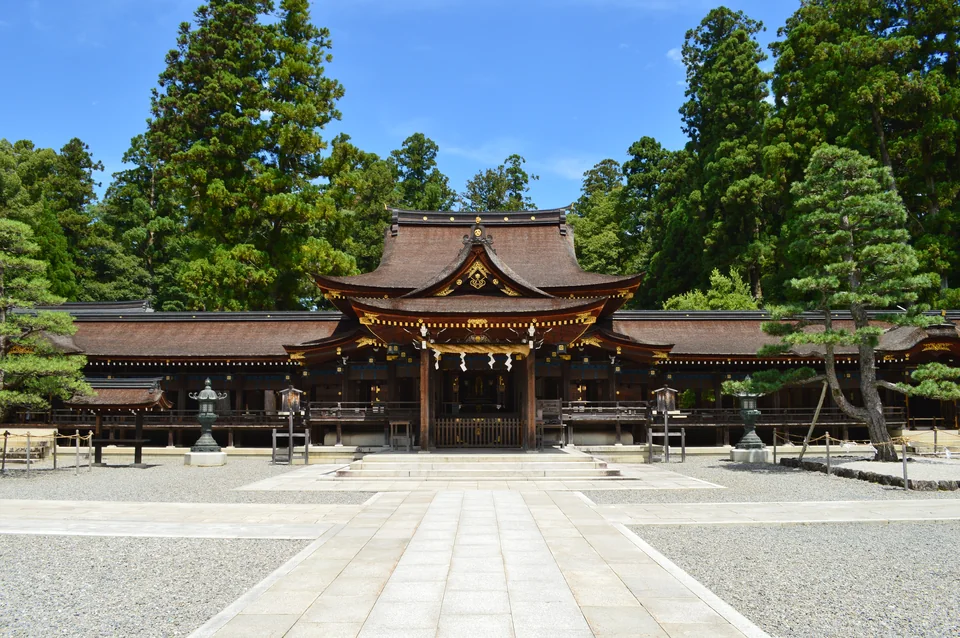
The National Treasure sanctuary complex · Hachiman worship on Mt. Otokoyama · The wooded summit approach
Estimated visit
30–60 min
Ordinary worship and the main summit precinct; excludes cable travel, the climb from the station, formal prayers, special tours and queues.
Getting there
From Keihan Iwashimizu-hachimangu Station, use the cable railway to Hachimangu-sanjo and walk about 5 minutes. Kyoto Prefecture tourism also gives about 30 minutes up the main approach on foot; check current cable operations.
Ordinary precinct worship and walking; excludes special worship, formal prayers, bus travel and queues.
Getting there
City bus 4 from Kyoto Station or Demachiyanagi stops at Kamigamo-jinja-mae, beside the shrine. The official guide gives a 25-minute walk from either Kitaoji or Kitayama Station.
Tadasu no Mori forest approach · Romon gate and the shrine precinct · Aioi-sha’s relationship-prayer tradition
Estimated visit
45–90 min
The forest approach and main shrine precinct, excluding a separate visit to Kawai Shrine, special paid visits, formal prayers and queues. When visiting both shrines, do not count shared approach walking twice.
Getting there
The official guide gives a walk of about 12 minutes from Keihan Demachiyanagi Station. City buses stop at Shimogamo-jinja-mae or Tadasu-no-mori-mae; check current routes before travel.
Address & enshrined kami
59 Shimogamo Izumigawa-cho, Sakyo-ku, Kyoto
Kamo Taketsunumi no Mikoto · Tamayorihime no Mikoto
The four main sanctuaries · Daigengu’s distinctive exterior · Subsidiary shrines linked to food and sweets
Estimated visit
35–60 min
Ordinary worship and selected nearby subsidiary precincts; excludes internal special openings, a full Yoshidayama walk, formal prayers, queues and station travel.
Getting there
Official access gives about 20 minutes on foot from Keihan Demachiyanagi or about 5 minutes from the Kyodai Seimon-mae city-bus stop.
Address & enshrined kami
30 Yoshida Kaguraokacho, Sakyo-ku, Kyoto
Takemikazuchi no Mikoto · Ihainushi no Mikoto · Amenokoyane no Mikoto · Himegami
The main sanctuary rebuilt in 1843 · Tenjin learning traditions · An approach beside Tenjinbashisuji
Estimated visit
25–45 min
Ordinary worship and the main precinct; excludes festivals, shopping, formal prayers, queues and station travel.
Getting there
From Minamimorimachi exit 4 or JR Osaka Tenmangu exit 7, walk south along Tenjinbashisuji and turn left at the second crossing. Osaka tourism gives about 5 minutes from either station.
Four main sanctuaries in the Sumiyoshi-zukuri style · The arched Sorihashi bridge · A shrine approach served by both trains and trams
Estimated visit
30–60 min
Ordinary worship and a look at the four main sanctuaries and main precinct; excludes extended subsidiary-shrine routes, formal prayers, queues and station travel.
Getting there
Official access: about 3 minutes east from Nankai Sumiyoshi-taisha Station, 5 minutes west from Nankai Sumiyoshi-higashi, or immediately by Hankai’s Sumiyoshi-toriimae tram stop.
Address & enshrined kami
2-9-89 Sumiyoshi, Sumiyoshi-ku, Osaka
Sokotsutsu no Mikoto · Nakatsutsu no Mikoto · Uwatsutsu no Mikoto · Empress Jingu
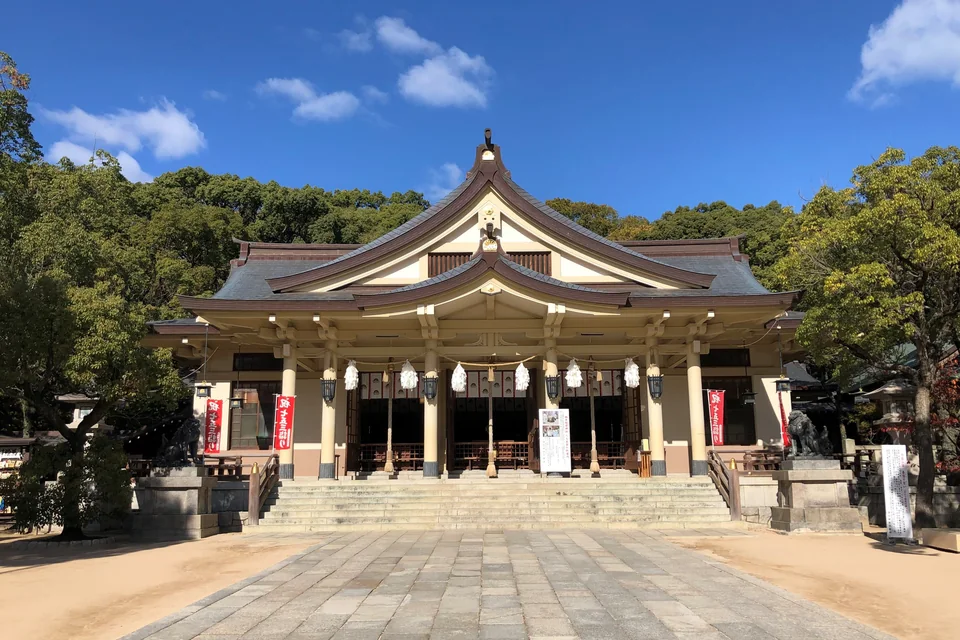
Main worship hall rebuilt in 1952 · Main gate and paved central approach · Places associated with Kusunoki Masashige
Estimated visit
20–40 min
Ordinary worship and the main precinct; excludes the treasure museum, formal prayers, transport and queues.
Getting there
About 3 minutes on foot from JR Kobe Station; the east exit of Kosoku Kobe Station leads close to the shrine. Okurayama subway station is about 5 minutes away.
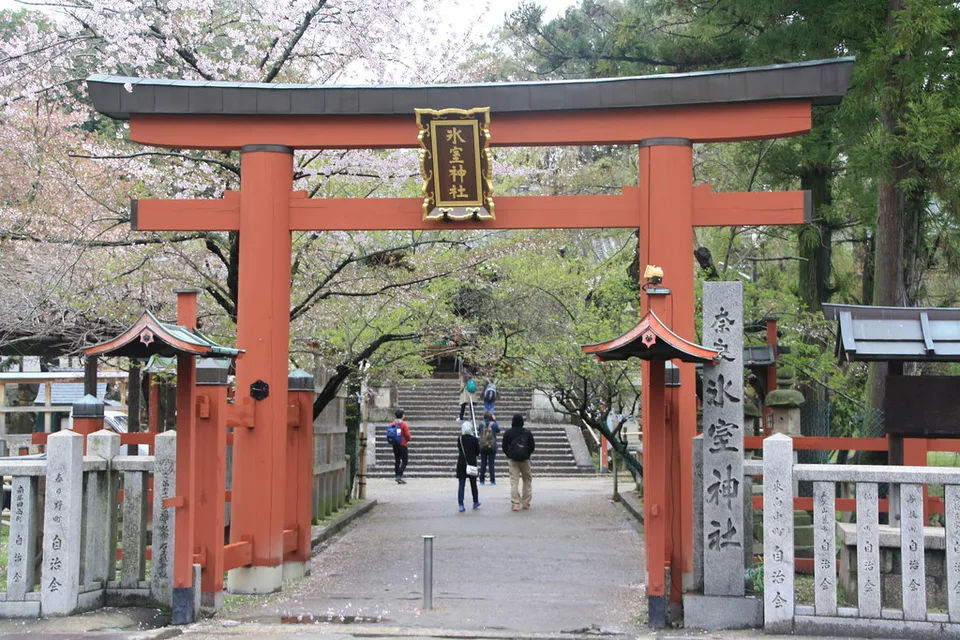
A shrine tradition connected to stored ice · The precinct facing the Nara National Museum · Ice fortune slips, subject to current availability
Estimated visit
15–30 min
Ordinary worship and the main precinct; excludes performances, formal prayers, queues and station travel.
Getting there
The official guide gives about 15 minutes east on foot from Kintetsu Nara Station. Buses stop at Himurojinja / Kokuritsu Hakubutsukan-mae, beside the museum.
Address & enshrined kami
1-4 Kasuganocho, Nara
Osasagi no Mikoto · Tsuge no Inagi Oyamanushi no Mikoto · Nukata no Onakatsuhiko no Mikoto
Vermilion shrine buildings · Stone lanterns along the approach and hanging lanterns by the buildings · A choice between ordinary worship and paid special worship
Estimated visit
45–90 min
The main approach and ordinary main-shrine worship; excludes paid special worship, museum, garden, other temples, queues and travel from the station.
Getting there
The official guide gives about 25 minutes on foot from Kintetsu Nara. From JR or Kintetsu Nara, take a bus to Kasuga Taisha Honden; a different loop-bus stop, Kasuga Taisha Omotesando, requires a further 10-minute walk.
Address & enshrined kami
160 Kasuganocho, Nara City, Nara
Takemikazuchi no Mikoto · Futsunushi no Mikoto · Amenokoyane no Mikoto · Himegami
Worship directed towards Mount Miwa · Important Cultural Property worship hall · Wooded approach and sake-brewing traditions
Estimated visit
30–60 min
Ordinary worship and the main precinct walk; excludes transport, formal prayers, exhibitions, queues and mountain hikes.
Getting there
Nara Prefecture's travel guide gives about 5 minutes on foot from JR Miwa Station. The shrine announced the end of regular Sakurai–shrine bus services in March 2026; plan by rail and walking, checking any special-event buses separately.
Benzaiten and performing-arts traditions · The distinctive Isuzu ritual bell · Shrine and village landscape
Estimated visit
20–40 min
Ordinary worship and the main precinct walk; excludes travel to the shrine, formal prayers, exhibitions, queues and any mountain hike.
Getting there
From Shimoichiguchi Station, the shrine describes about one hour by bus towards Nakaiozumi to Tenkawa Daibenzaitensha, or a bus to Tenkawa Kawai followed by about 30 minutes on foot. Services are infrequent; check the return timetable.
Address & enshrined kami
107 Tsubonouchi, Tenkawa, Yoshino-gun, Nara
Ichikishimahime no Mikoto (also worshipped as Benzaiten) · Kumano ni Imasu Okami · Yoshino ni Imasu Okami · Spirits of four Southern Court emperors · One hundred kami, beginning with Ame no Minakanushi
Cypress-bark-roofed wooden sanctuaries · 158-step approach through trees · Yatagarasu, the three-legged crow of Kumano tradition
Estimated visit
30–60 min
The present main shrine and stair approach only. Add time for Oyunohara, exhibitions or any Kumano Kodo walk; transport and queues are excluded.
Getting there
Take a bus from JR Shingu or Kii-Tanabe Station to Hongu Taisha-mae, then walk to the shrine approach. The prefectural guide gives about 6 minutes from the stop. Check the current timetable and return service; this is not a short transfer from the railway.
Address & enshrined kami
Hongu, Hongu-cho, Tanabe, Wakayama
Ketsumimiko no Okami (associated with Susanoo no Mikoto)
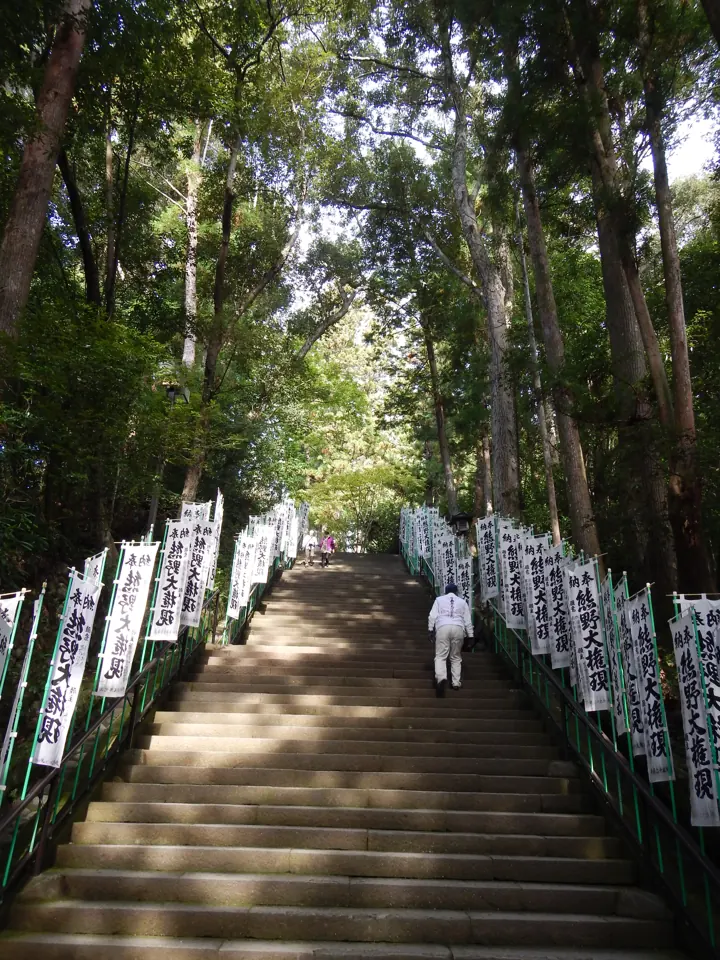
Vermilion halls in a mountain setting · Yatagarasu, the three-legged crow associated with guidance · The large camphor tree in the precinct
Estimated visit
45–75 min
Walking from Nachisan bus stop to the main shrine, worship and the return walk. Excludes the bus ride, Daimonzaka pilgrimage walk, formal prayers, paid facilities, Seigantoji and Nachi Falls.
Getting there
From JR Kii-Katsuura Station, take a Kumano Gobo Nankai bus to Nachisan, about 30 minutes according to the official guide, then walk uphill to the shrine. The usual approach has stone steps. The official FAQ describes a parking-and-lift route for wheelchair users at the main shrine; confirm arrangements before travel.
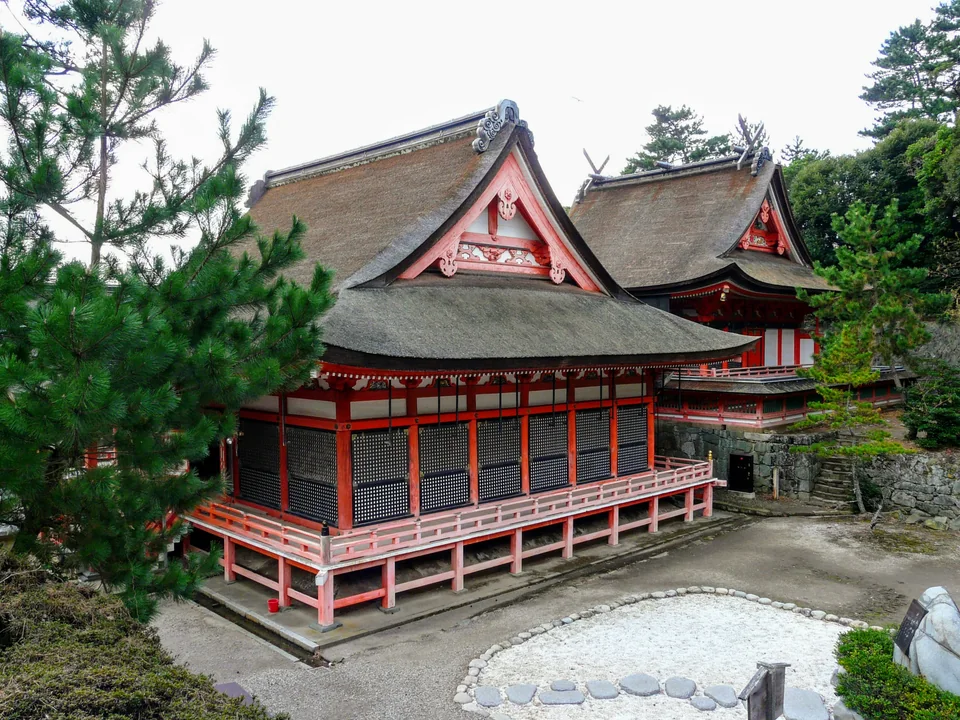
Vermilion designated shrine buildings · Two sanctuary areas for Amaterasu and Susanoo · Traditions tied to Izumo’s coast
Estimated visit
20–40 min
Ordinary worship at the lower and upper sanctuaries and exterior views of the buildings; excludes the lighthouse, coast walks, transport, counter queues and formal prayers.
Getting there
Shimane’s tourism guide lists about 60 minutes by Hinomisaki-bound bus from JR Izumoshi Station. Part of the access road uses temporary alternating traffic. Check current bus times and road conditions before visiting.
Address & enshrined kami
455 Hinomisaki, Taisha, Izumo, Shimane
Amaterasu Omikami (lower sanctuary) · Susanoo no Mikoto (upper sanctuary)
The main shrine precinct · Kagami-ike pond in Sakusame Forest · Traditional relationship-prayer culture
Estimated visit
35–60 min
Ordinary worship and a short walk to Kagami-ike; excludes treasury visits, extended divination waiting, transport and queues.
Getting there
The shrine gives about 20 minutes by bus from JR Matsue Station’s stop 5, or about 15 minutes by car. Check the current Yaegaki Jinja service and return timetable.
Address & enshrined kami
227 Sakusa-cho, Matsue, Shimane
Susanoo no Mikoto · Inadahime no Mikoto · Onamuchi no Mikoto (Okuninushi) · Aohata Sakusahiko no Mikoto
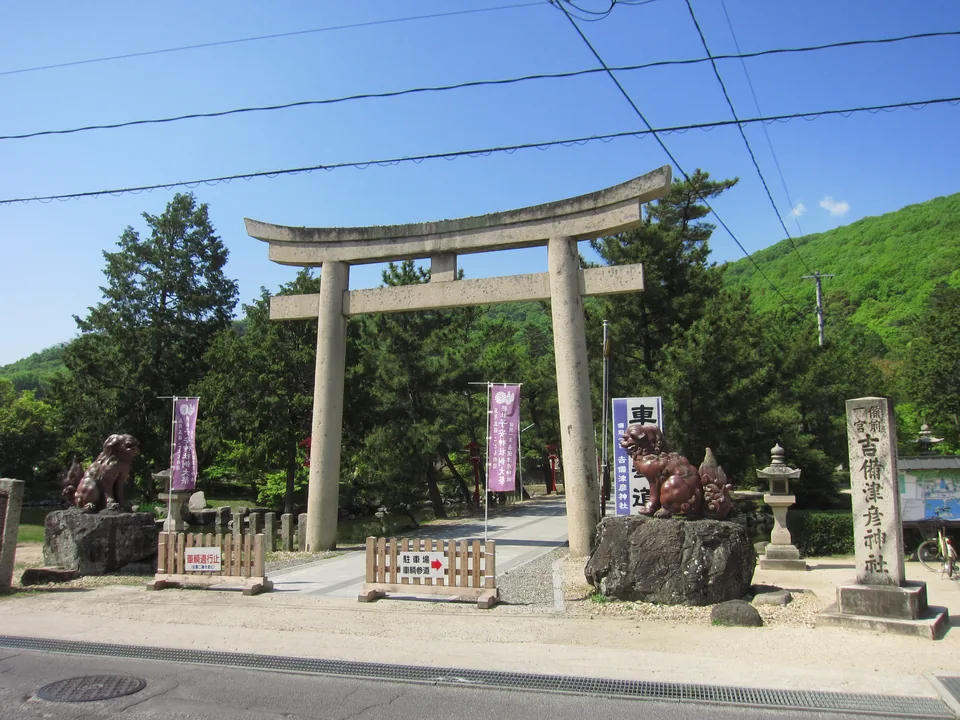
The stone torii and pond-side approach · The main sanctuary dating to 1697 · Shrine halls arranged in a line
Estimated visit
30–50 min
Ordinary worship and the main precinct; excludes station travel, formal prayers, walks to Kibitsu Shrine, climbing Kibi no Nakayama and queues.
Getting there
The official access page gives about 3 minutes on foot from JR Bizen-Ichinomiya Station to the front torii. The nearest station is not Kibitsu Station.
The sacred camphor tree · Wooded precinct and main worship hall · Optional longer walk to the historic German Bridge
Estimated visit
30–50 min
Ordinary worship and a short walk around the camphor-tree precinct; excludes station travel, the longer walk to the German Bridge, Mount Oasa, the German House museum, formal prayers and queues.
Getting there
Tokushima tourism lists about 20 minutes on foot from JR Bando Station on the Kotoku Line, or from the Naruto Nishi highway-bus stop. Check your return service separately; do not confuse this area with central Naruto or the whirlpool viewing sites.
Vermilion Hachiman-style buildings · The main 135-step approach · Views towards Dogo from the approach
Estimated visit
25–45 min
The stone-step ascent and descent, ordinary worship and a short walk by the shrine buildings; excludes the station-to-stair approach, onsen, formal prayers and queues.
Getting there
The official guide lists about 5 minutes uphill from Dogo Onsen tram station. The main approach has 135 stone steps according to Ehime tourism. Walking pace and pauses on the stairs affect the journey.
The lower honsha precinct · The stepped hillside approach
Estimated visit
35–60 min
Ordinary worship at the lower honsha and its stepped precinct; excludes summit climbing, ropeway travel, other Ishizuchi shrines and prayers.
Getting there
Official guidance gives about 10 minutes by car from JR Iyo-Saijo Station or 15 minutes from Iyo-Saijo IC. The approach branches from Route 11 at a red torii; allow time for the shrine’s steps.
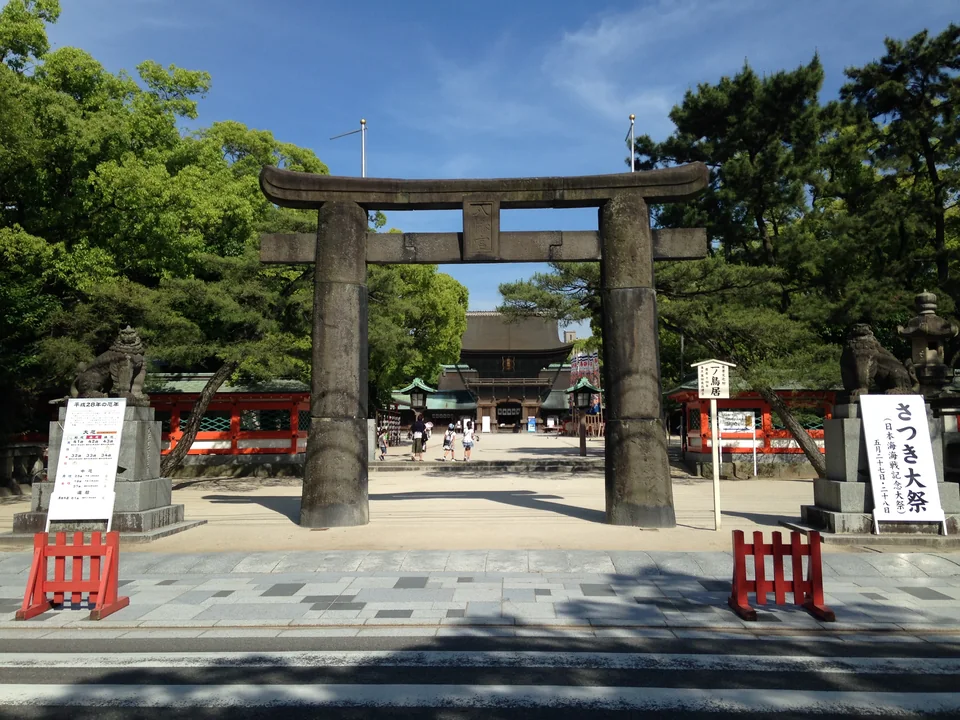
First stone torii · Romon gate and its historical plaque · Main sanctuary and worship hall, Important Cultural Properties
Estimated visit
20–40 min
First torii, romon gate and ordinary worship; excludes paid gardens, beach walks, transport and festival queues.
Getting there
Use Hakozaki-Miyamae Station on the Fukuoka subway Hakozaki Line, then walk to the approach. From the airport or Hakata, check the connection at Nakasu-Kawabata.
Address & enshrined kami
1-22-1 Hakozaki, Higashi, Fukuoka
Emperor Ojin (Hachiman) · Empress Jingu · Tamayori-hime no Mikoto
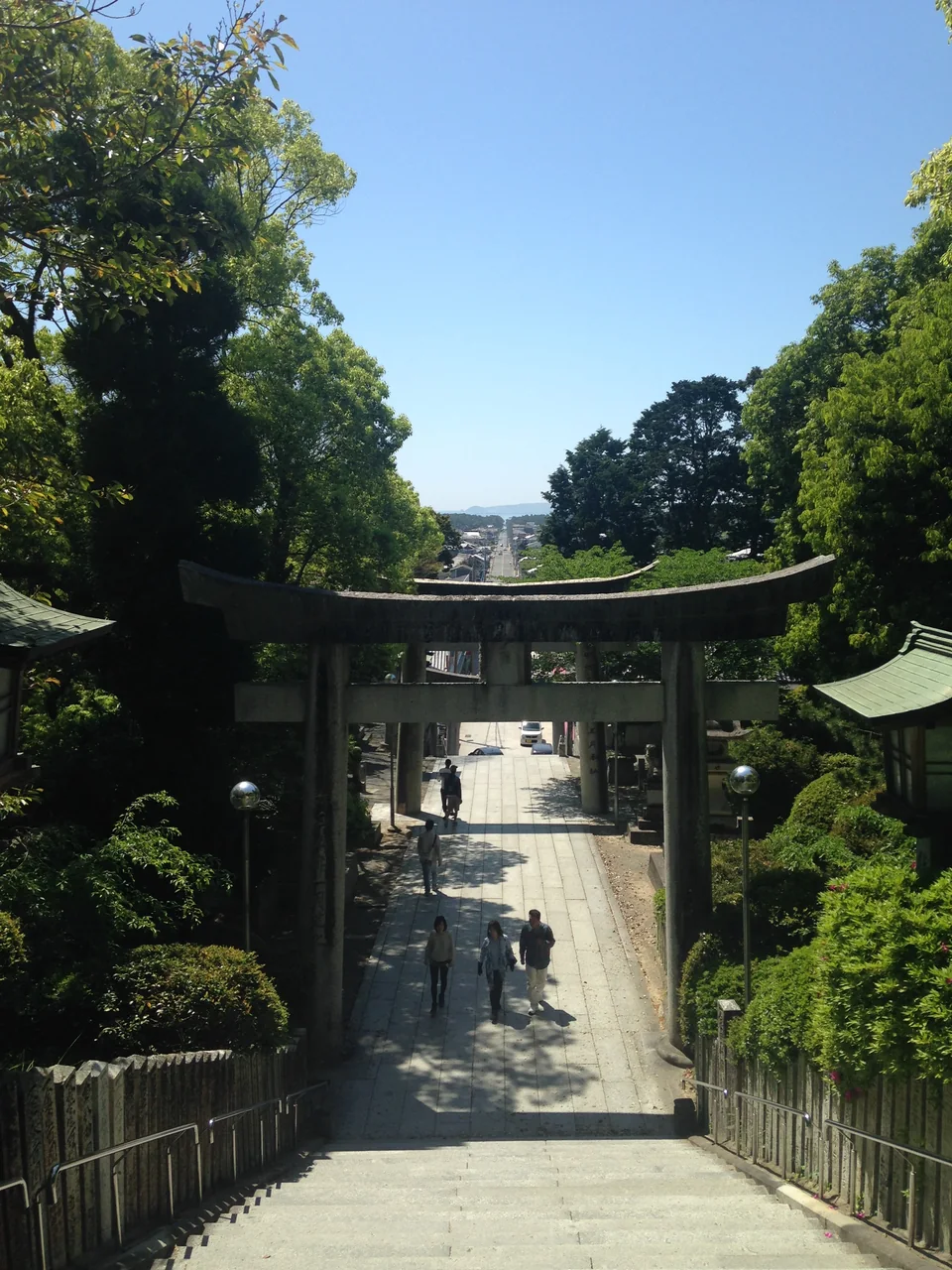
Large shimenawa sacred rope · View down the approach toward the sea · Seasonal sunset alignment called the Path of Light
Estimated visit
30–60 min
Ordinary worship and the front-step viewpoint; excludes the eight inner shrines, museum-village grounds, transport and sunset queues.
Getting there
From JR Fukuma Station, take a bus to Miyajidake Jinja-mae or a taxi (about 5 minutes by the official guide). The shrine gives about 25 minutes on foot, roughly 2 km. Check current bus times and allow for the front steps.
Address & enshrined kami
7-1 Miyajimotomachi, Fukutsu, Fukuoka
Okinagatarashihime no Mikoto (Empress Jingu) · Katsumura no Okami · Katsuyori no Okami
Important Cultural Property main sanctuary and worship hall · Takamiya Saijo, a wooded ritual site · Shinpo-kan museum's Okinoshima finds, with separate admission
Estimated visit
30–60 min
Ordinary worship, the main precinct and Takamiya Saijo. Excludes the museum, travel, Oshima and Okinoshima.
Getting there
From JR Togo Station, take a Nishitetsu bus serving Munakata Taisha to Munakata Taisha-mae, then walk to the shrine. Munakata City's guide gives about 10 minutes for the bus journey. Check the current return timetable.
The stepped approach and shrine buildings · Local Nagasaki shrine traditions
Estimated visit
30–50 min
Ordinary worship and the main stepped precinct; excludes festival performances, prayers, transport and queues.
Getting there
Take a tram to Suwa Jinja stop, then use the underpass to reach the shrine approach as directed by the official site. Nagasaki tourism gives about 5 minutes on foot from the stop; the approach includes steps.
Address & enshrined kami
18-15 Kaminishiyama-machi, Nagasaki, Nagasaki
Takeminakata no Kami · Yasakatome no Kami · Izanagi no Kami · Izanami no Kami · The three Sumiyoshi kami
Thatched gate and carved details · Five National Treasure buildings · Hitoyoshi-Kuma shrine culture
Estimated visit
20–40 min
Ordinary worship and exterior views of the main buildings; excludes the National Treasure memorial museum, transport, counter queues and formal prayers.
Getting there
About five minutes on foot from the Hitoyoshi Station area. This describes its location, not confirmation of normal rail service. Check transport operators’ current services when planning how to reach Hitoyoshi.
Address & enshrined kami
118 Kamiaoimachi, Hitoyoshi, Kumamoto
Takeiwatatsu no Mikoto · Asotsuhime no Mikoto · Kuni no Miyatsuko Hayamikatama no Mikoto
The three Hachiman-zukuri main sanctuaries · The wooded upper approach · The lower shrine worship area
Estimated visit
60–90 min
Ordinary worship at the upper and lower precincts; excludes station transport, museums, formal prayers, Mount Omoto hiking and queues.
Getting there
Oita tourism lists approximately 9 minutes by bus from JR Usa Station to Usa Hachiman. Allow extra walking time within the precinct and to the upper sanctuary.
National Treasure halls dating to 1715 · Decorated vermilion shrine architecture · The wooded precinct and approach
Estimated visit
40–60 min
Ordinary worship and the main wooded precinct; excludes station transport, special interior tours, mountain hikes, formal prayers and queues.
Getting there
Kagoshima tourism lists about 15 minutes by bus from JR Kirishima-Jingu Station. The station is not beside the shrine; allow additional time from the bus stop through the approach.
Address & enshrined kami
2608-5 Taguchi, Kirishima, Kirishima City, Kagoshima
Ninigi no Mikoto · Konohanasakuyahime no Mikoto · Hikohohodemi no Mikoto · Toyotamahime no Mikoto · Ugaya Fukiaezu no Mikoto · Tamayorihime no Mikoto · Kamuyamato Iwarehiko no Mikoto (Emperor Jimmu)
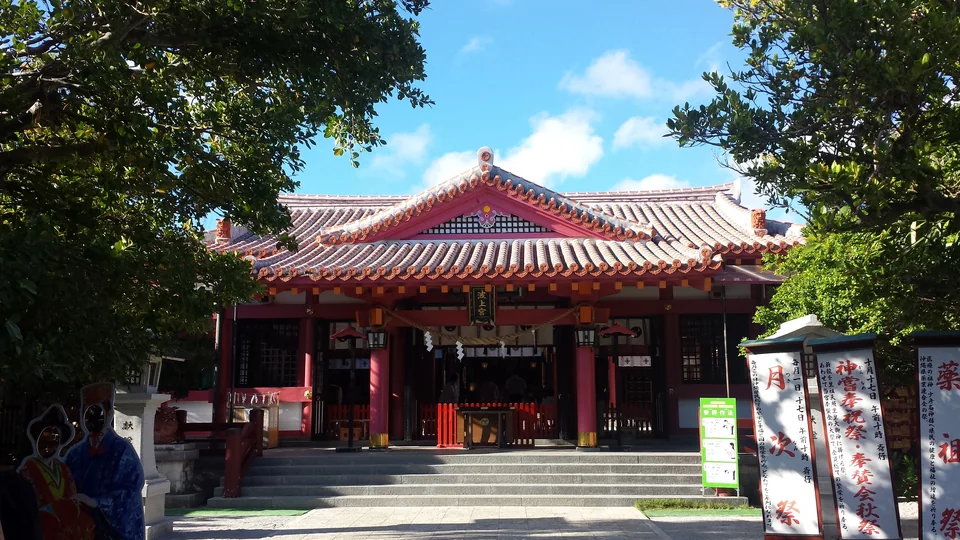
Shrine buildings above the coast · Ryukyu and Kumano worship traditions · A shrine visit within Naha
Estimated visit
20–40 min
Ordinary worship and exterior views within the precinct; excludes the beach, bridge viewpoints, transport, formal prayers and counter queues.
Getting there
The official guide gives about 15 minutes on foot from Asahibashi Station on the Yui Rail monorail. Airport travel and waiting time are separate from the shrine visit.
Address & enshrined kami
1-25-11 Wakasa, Naha, Okinawa
Izanami no Mikoto · Hayatamao no Mikoto · Kotosakao no Mikoto